
Call: 08045800679
 Send Inquiry
Asphalt Batch Mix Plant


Asphalt Batch Mix Plant Specification
- Lifting Height
- 8-10 meters
- Lifting Speed
- 7 m/min
- Motor Power
- 120 HP
- Surface
- Galvanized Coated
- Product Type
- Asphalt Batch Mix Plant
- General Use
- Producing asphalt for road construction
- Material
- Mild Steel, Stainless Steel
- Type
- Stationary/Fixed, Batch Type
- Capacity
- 80-160 TPH
- Weight (kg)
- 35000 kg
- Computerized
- Yes
- Automatic
- Yes
- Control System
- PLC Based Panel with SCADA
- Cooling System
- Water Cooling
- Method
- Batch Mixing Process
- Voltage
- 415 V
- Dimension (L*W*H)
- 17500 mm x 7000 mm x 12000 mm
- Feature
- High capacity, energy efficient, low maintenance
- Color
- Blue / Yellow
- Mixer Capacity
- 1100-2200 kg/batch
- Operating Temperature
- 130C - 170C
- Fuel Type
- Diesel / LDO / Furnace Oil
- Installation Time
- 25-30 Days
- Operating Pressure
- 6-7 bar
- Control Cabin
- Fully Air-conditioned Operator Cabin
- Aggregate Storage Bins
- 4 x 11 m3
- Dust Collection
- Multi-stage Wet & Dry Dust Collector
- Burner Type
- Automatic Modulating Burner
- Hot Elevator
- Chain & Bucket Type
- Mobility
- Stationary
- Bitumen Tank Capacity
- 25,000 Litres
- Sound Level
- Below 85 dB
- Vibrating Screen
- Multi-deck, Heavy-duty Type
- Dryer Drum
- Fully Insulated, Counter Flow Type
- Filler Storage
- 10 Tonne capacity
- Pneumatic System
- For Pollution & Aggregate Control
About Asphalt Batch Mix Plant
Nilang ABP Series Plants offer our customers the best possible solutions when it comes to producing the highest quality asphalt in an economical process.
From raw materials to the development of Asphalt Equipment, develops and manufactures all core components in-house. Short paths in production, modern manufacturing processes. An asphalt mixing plant has to be designed so that all substances are available in the correct volume, with the correct temperature, at the right time and at the defined location. In addition to this, the processes have to be safe, economical and environmentally friendly.
ABP Series offers re-use of recycled asphalt, it is a high priority for the economy when it comes to conserving natural resources.
Optimized Mixing Performance
With a mixer capacity ranging from 1,100 to 2,200 kg per batch, this asphalt batch mix plant is designed to handle large-scale road projects with consistent results. The batch mixing process ensures homogeneity, while the automatic modulating burner and PLC-based controls guarantee precise temperature and material management.
Superior Dust and Pollution Control
The plant features a sophisticated multi-stage wet and dry dust collection system and a pneumatic system for aggregate and pollution management. Fully insulated dryer drums and counter-flow technology enhance fuel efficiency and reduce emissions, making this plant environmentally considerate.
Easy Operation and Maintenance
Equipped with a fully air-conditioned operator cabin, computerized SCADA panel, and robust stainless/mild steel construction, this asphalt plant offers a user-friendly experience. Galvanized coating and high-quality surface finishing assure longevity and low maintenance requirements.
FAQ's of Asphalt Batch Mix Plant:
Q: How does the automatic modulating burner work in this asphalt batch mix plant?
A: The automatic modulating burner adjusts the flame intensity in real-time based on the required temperature settings. This ensures a consistent mixture, improves fuel efficiency, and helps achieve the optimum operating temperature range (130C - 170C) essential for high-quality asphalt production.Q: What is the process for dust collection in this plant?
A: The plant utilizes a multi-stage wet and dry dust collector, which efficiently removes particulate matter and contaminants from exhaust gases. This process not only reduces environmental pollution but also maintains clean air within the vicinity, complying with industry standards.Q: When is the typical installation timeline for this asphalt batch mix plant?
A: The average installation time for this stationary asphalt batch mix plant is typically 25 to 30 days, depending on site preparation and logistical considerations. The process includes assembling the major components and fine-tuning the automated systems.Q: Where is this asphalt batch mix plant most commonly used?
A: This plant is predominantly used at road construction sites where a stationary, high-capacity asphalt production unit is needed. Its robust construction makes it ideal for infrastructure projects across India, especially for government contractors, dealers, suppliers, and traders.Q: What are the key benefits of the pneumatic and pollution control system?
A: The advanced pneumatic system controls aggregate flow and manages dust emissions, resulting in precise material dosing and significantly reduced air pollution. This not only boosts the plant's efficiency but also enhances environmental compliance and operator safety.Q: How is the mixing managed and monitored?
A: The plant is equipped with a PLC-based SCADA control system, allowing operators to oversee the entire mixing process from a fully air-conditioned control cabin. This computerized control ensures accuracy in batching, safe operation, and real-time performance monitoring.Q: What maintenance advantages does the plant's construction offer?
A: Built from galvanized coated mild and stainless steel, the plant withstands harsh working environments while resisting corrosion. The surface finish and sturdy components reduce maintenance needs, ensuring sustained, trouble-free operation throughout its lifecycle. Get Latest Price
Tell us about your requirement

Price:
Quantity
Select Unit
- 50
- 100
- 200
- 250
- 500
- 1000+
Additional detail
Mobile number
Email

More Products in Asphalt Plants Category

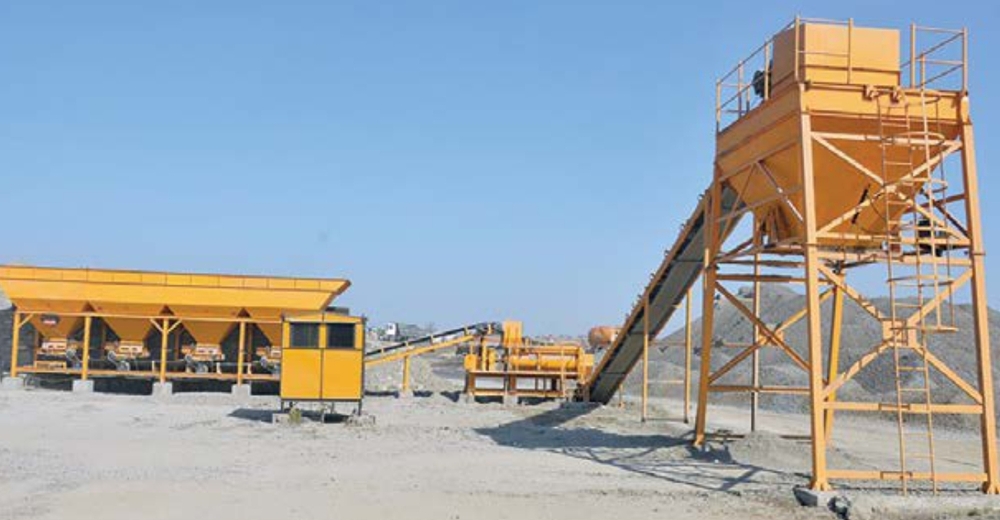
Counter Flow Drum Mix Plant
Price 2500000 INR / Unit
Minimum Order Quantity : 01 Unit
Feature : Energy Efficient, Low Emissions, High Mixing Uniformity
Dimension (L*W*H) : 24000 x 2800 x 4000 mm (varies with model)
Cooling System : Other, Air and Water Cooling
Capacity : 60 TPH, 90 TPH, 120 TPH, 160 TPH
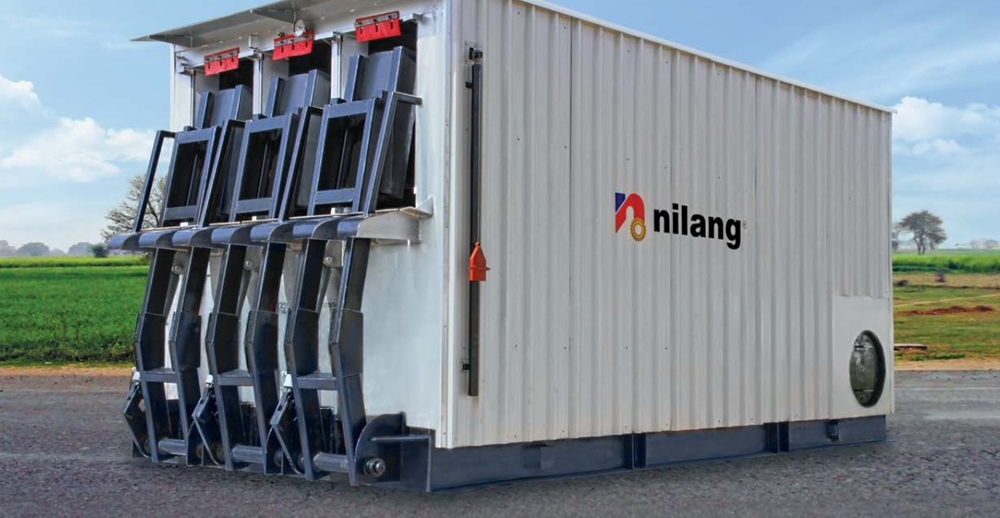
Wet Mix Plant
Price 2500000 INR / Unit
Minimum Order Quantity : 01 Unit
Feature : Heavy duty design, high mixing efficiency, uniform distribution of water & aggregates
Dimension (L*W*H) : Approx. 16,000 mm x 3,000 mm x 6,000 mm (varies by model)
Cooling System : Other, Not required (No hotmix application)
Capacity : 100 TPH to 250 TPH (Tons per Hour)
Bitumen Melter (Asphalt Drum Melter)
Price 2500000 INR / Unit
Minimum Order Quantity : 01 Unit
Feature : Fast bitumen melting, energy efficient, leak proof, dust proof, batch drum melting, easy operation and maintenance
Dimension (L*W*H) : 5600 2300 2600 mm
Cooling System : Other, Aircooled circulation fans
Capacity : 57 drums per batch (810 tons per batch)
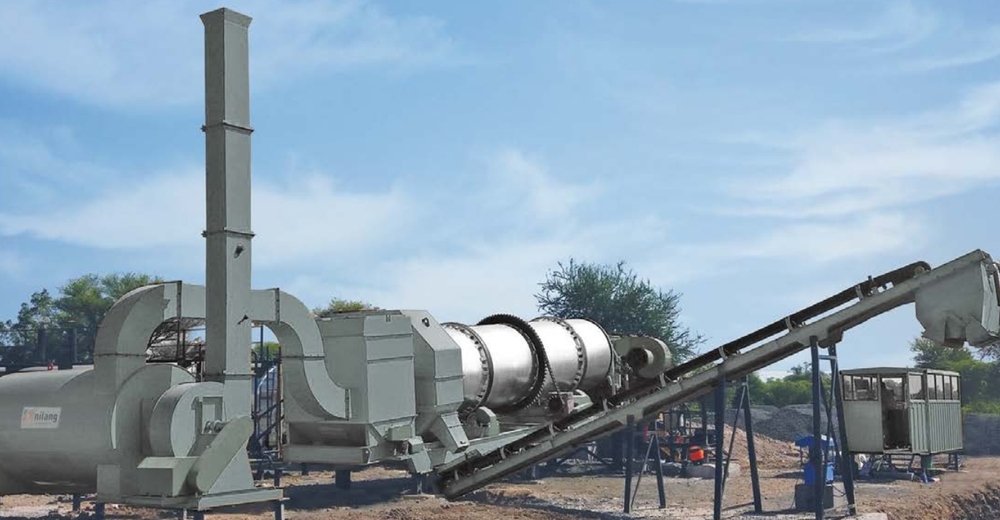
Asphalt Drum Mix Plant
Price 16500000 INR / Unit
Minimum Order Quantity : 01 Unit
Feature : Robust Construction, High Efficiency, Low Maintenance
Dimension (L*W*H) : 9200 mm x 2400 mm x 2500 mm
Cooling System : Other, Water Cooled
Capacity : 40120 TPH (Ton Per Hour)

Contact Details
Maruti Construction Equipment
GST : 24ABIFM5771D1ZA
- Srv No 619, Near Ongc Ggs1, Shertha, Sertha Nu Paru, Di - Gandhinagar,Gandhinagar - 382423, Gujarat, India
- Phone :08045800679
 Send Inquiry
Developed and Managed by Infocom Network Private Limited.
